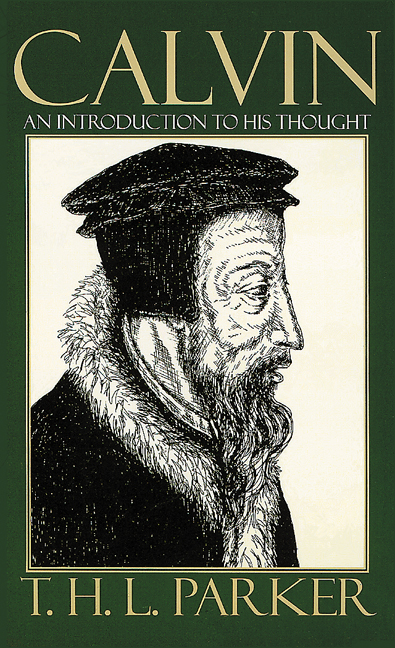
In this book, T. H. L. Parker provides a succinct but comprehensive look at the range of John Calvin's theology. In particular, Parker provides a fresh interpretation of Calvin's magnum opus, the Institutes of the Christian Religion, giving the reader a sense of what this important reformer and theologian valued as a Christian and as a thinker.
In a manner that is vivid and lively, Robert McAfee Brown explains and illuminates liberation theology for North American readers who may have no previous knowledge of this dynamic Christian movement. Growing out of the experience of oppressed people in Latin America, liberation theology lends a transforming power to both the study of the Bible and the Christian duty to work for justice for all God's people. With heartwarming, terrifying, and humorous stories, Brown shows the streng...
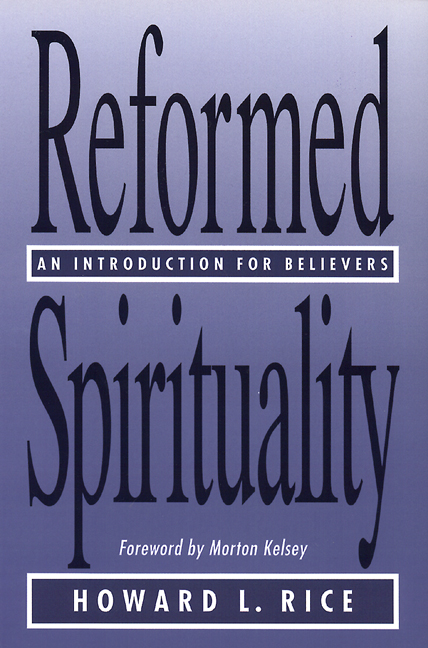
In this book, Howard Rice provides help for reclaiming spirituality in the Reformed tradition. He draws on a wide range of sources, including Calvin, confessional writers of the sixteenth century, Puritans, and other influential sources from later centuries./p>
In this volume, Donald McKim traces the historical and systematic development of eight major Christian doctrines from early centuries to the present. Clearly written and amply documented, this introductory handbook features primary sources and extensive endnotes. It covers: the Trinity, Christology, Ecclesiology, Anthropology, Soteriology, Authority, the Sacraments, and Eschatology, concentrating on the decisive points in the development of the Church's theology. This book is well s...
Encountering Jesus showcases a lively and provocative dialogue among five theologians and philosophers of religion that offers insight into the problems of Christology.
"I do not think there are any issues on the theological and human scene more important than the ones liberation theologians are raising," says Robert McAfee Brown. In this book Brown explores how we can respond to liberation theology without condescension, arrogance, or co-optation. He surveys in detail the kind of challenges to North American Christians issued by South American theologians. He then calls upon the church to work to make itself what it ought to be and to take sides ...